
What the Body Does After
The inevitable collapse

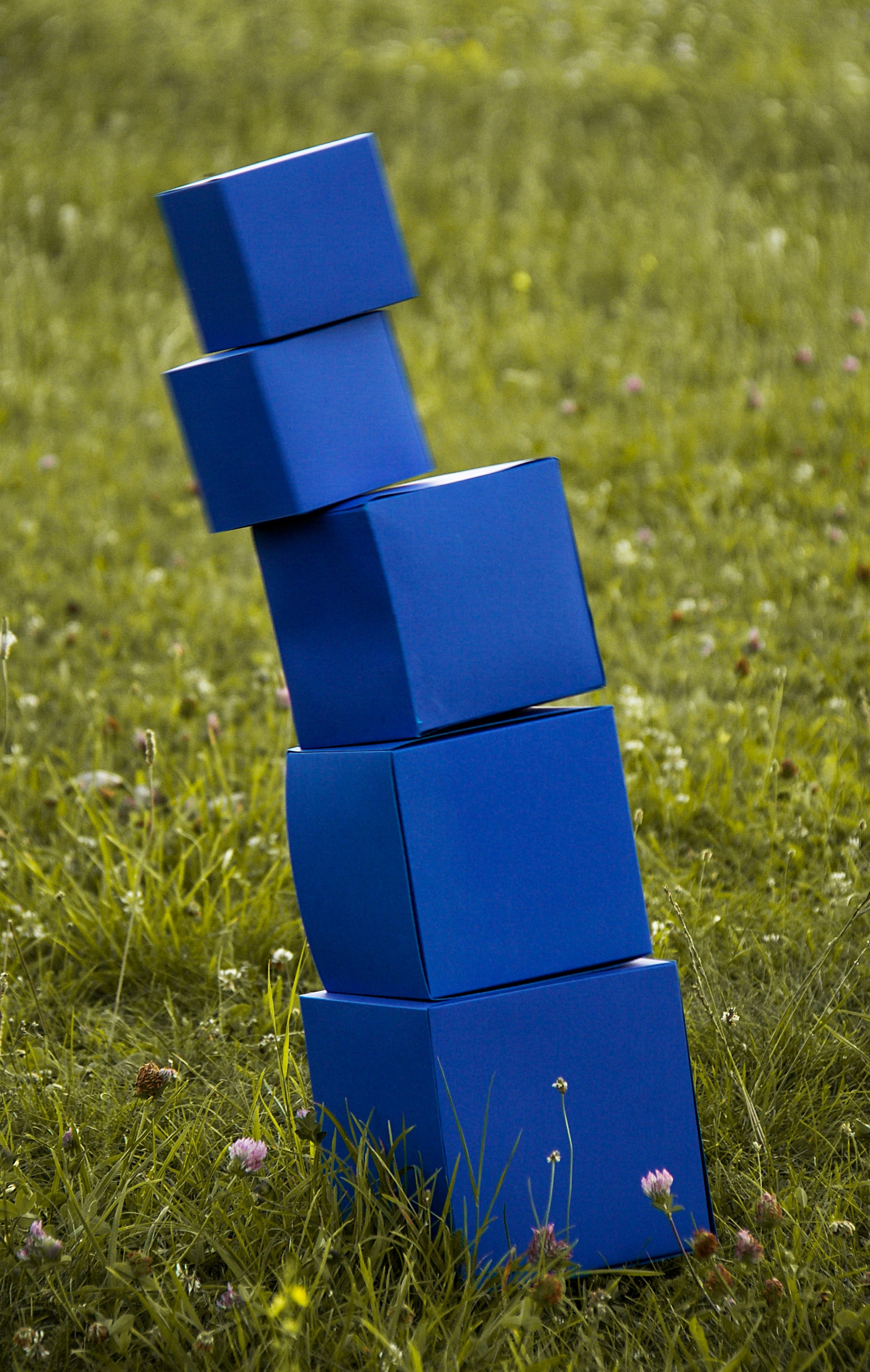
Both of this week’s exams are done.
I should feel relief.
And I do, somewhere underneath everything.
A small loosening, a quiet exhale that lasts about twenty minutes before my brain reminds me there’s a biology exam coming up on Wednesday.
This week was such a rush that it felt like three weeks were combined, and I hardly remember what happened on Monday.
This is what chronic load feels like.
Not a finish line. A brief gap between rounds.
My body has a pattern after sustained effort.
I’ve learned to stop fighting it.
It crashes.
Not super dramatically — not quite a collapse, not quite a breakdown.
Just the particular heaviness that arrives when the nervous system senses that the immediate danger has passed and finally allows itself to feel what it’s been carrying.
Pain flares.
Sleep is a non-negotiable.
I’ll need a nap in the middle of the day, an early bedtime, and a gentleness with the schedule that doesn’t always allow for it.
I used to interpret this as failure. As the body being inconvenient, unreliable, badly timed.
Now I understand it as simply… Accurate.
The nervous system doesn’t know the difference between a predator and a nursing exam.
It knows sustained threat, sustained mobilization, sustained cost — and when the signal finally clears, it demands recovery.
That’s not weakness.
That’s biology doing exactly what it’s supposed to do.
The problem is that recovery and the next round of demands are often not far enough apart.
Here’s something I’ve noticed about my creative capacity — and I suspect this is true beyond neurodivergence, though I can only speak from inside my own experience:
It moves in cycles.
Not random ones. Predictable ones, once you start paying attention.
My best creative weeks are my period weeks.
Not despite the physical experience of them — because of something about that particular hormonal window that makes the writing come easier, the ideas arrive more fully formed, the sentences find their shape without as much grueling effort.
I’ve stopped being surprised by this.
I plan around it now.
Painting? That’s another story.
Each craft has its season, too.
The weeks after sustained cognitive load — exam season, upcoming clinical weeks, long stretches of second-language processing — are not peak creative moments. They’re moments of recovery, whether I schedule them that way or not. The body will take what it needs. The only choice is whether I work with that or against it.
Working against it looks like trying to write through the crash and producing nothing I want to keep.
Working with it looks like letting Friday be a rest day and trusting that the capacity will come back.
It always comes back.
It just takes time.
I’ve been thinking about what it costs to not understand this earlier.
The years I spent believing that inconsistent creative output meant something was wrong with me…
…That I was undisciplined, unreliable, not “serious enough” about the work.
The years I spent (& the money) trying to learn and build systems that would flatten the cycles out, make the capacity available on demand, produce on a schedule that had nothing to do with what my body was actually doing.
It never worked.
Not because I wasn’t trying hard enough.
Because I was working against a rhythm that was always going to win.
It’s like the creative equivalent of trying to swim upstream a fast-moving river. It could theoretically happen, but at what cost?
The crash after exams isn’t a malfunction.
It’s the body completing what it started.
The next biology exam is coming. The palette is still frozen in the basement. The painting is still behind my desk, still missing something.
And right now, today, the only thing on the schedule is rest. And studying.
That’s not falling behind.
That’s the cycle doing what cycles do.
If you want to read more about the painting that is behind my desk, read this article:

Thank you for reading.
Subscribe and share with a friend <3
Can so relate to this. This is what I go through too. I completely immerse myself in a project and then crash afterwards. Have learnt that I can't write a novel slowly, a day at at time. Instead, it is in a big whoosh where I completely lose touch with reality, and then crash afterwards. Have learnt to go with the flow too.